
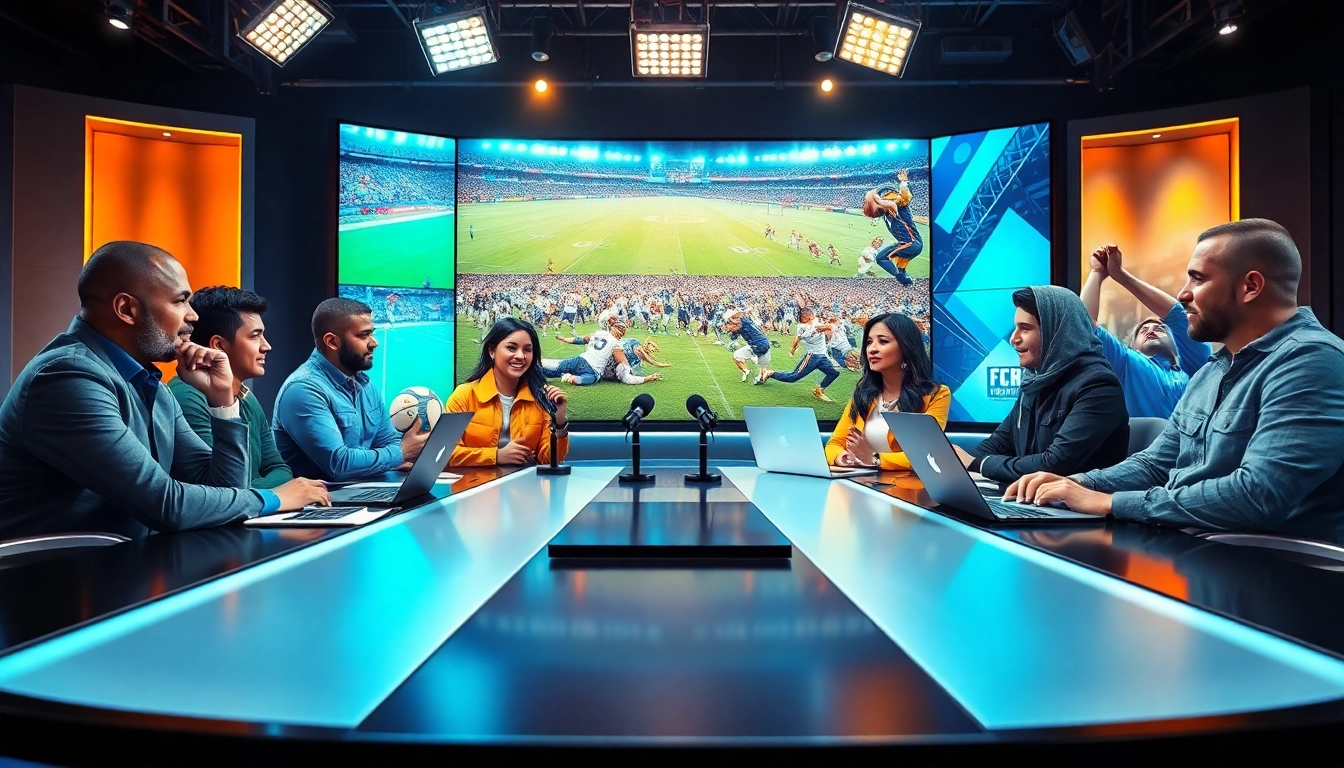
Understanding Sports Broadcasting Basics
In the vibrant world of media, Sports Broadcasting stands out as a dynamic sector drawing millions of fans globally. It encompasses the various methods of delivering live sporting events to viewers, combining entertainment and information to engage audiences effectively. Understanding the fundamentals of sports broadcasting is essential for anyone looking to delve into this field, from network executives to passionate amateurs.
The Role of Sports Broadcasting in Modern Media
Sports broadcasting plays a crucial role in modern media, serving as a key content driver for networks and streaming platforms alike. It not only offers entertainment but also acts as a significant socio-cultural force. Fans rely on broadcasts to watch their favorite teams, fueling the sports economy through advertising, sponsorships, and merchandise sales. Moreover, sporting events often generate substantial media coverage, leading to increased visibility and revenue for both teams and networks.
Key Components of Sports Broadcasting
The broadcasting of sports events involves several components, including:
- Production Teams: Behind every broadcast is a dedicated production team handling camera work, audio, and technical operations, ensuring high-quality viewing experiences.
- Commentary: Engaging play-by-play and color commentators are vital for conveying the excitement of live events, providing analysis that enhances viewer understanding.
- Broadcasting Platforms: Traditional television networks and digital platforms such as streaming services play pivotal roles in the distribution of content.
- Advertising: Revenue generated through advertisements is essential for funding broadcasts and supporting operations.
Evolution of Sports Broadcasting Technology
Over the years, technology has dramatically transformed sports broadcasting. From the early days of radio broadcasts to today’s sophisticated multi-camera setups, innovations have continually enhanced the viewer experience. High-definition (HD) and ultra-high-definition (UHD) broadcasts allow fans to enjoy clearer images, while immersive technologies like 360-degree videos and virtual reality (VR) provide unprecedented engagement. Additionally, the rise of mobile broadcasting has enabled access to live sports anywhere, transforming how viewers consume sports media.
Advancements in Sports Broadcasting Techniques
Impact of Live Streaming on Viewer Engagement
Live streaming has revolutionized sports broadcasting by allowing fans to watch events in real-time across multiple devices. This format provides flexibility and convenience, catering to an audience that prefers on-demand content over traditional viewing methods. Furthermore, many sports networks incorporate interactive features into their streaming services, such as live chats, polls, and social media integration, fostering a more engaging experience for the audience.
Utilizing Social Media for Sports Broadcasting
Social media platforms have become essential tools for sports broadcasters. They offer unique opportunities for real-time engagement, allowing broadcasters to reach audiences directly and personally. Platforms like Twitter and Instagram provide instant updates, highlights, and behind-the-scenes content, enhancing the viewer's connection to the sport. Additionally, leveraging these platforms can significantly increase fanbase size and encourage community interaction.
Innovations in Broadcasting Equipment
The evolution of broadcasting equipment is integral to delivering high-quality sports content. Innovations such as high-speed cameras, drones, and virtual graphics have led to more dynamic presentations. These advancements allow for better angles, slower-motion replays, and interactive graphics that inform viewers with rich context. As technology advances, sports broadcasters continue to explore new ways to enhance their storytelling capabilities through equipment upgrades.
Challenges in the Sports Broadcasting Industry
Addressing Regulations and Licensing Issues
The sports broadcasting industry faces several regulatory challenges, including licensing agreements, copyright issues, and broadcast rights negotiations. Networks must navigate complex legal landscapes that can significantly impact their broadcasting capabilities. For instance, securing exclusive rights to a sporting event often requires extensive negotiation and financial investment. Broadcasters must remain compliant with evolving regulations while ensuring they deliver compelling content to audiences.
Challenges of Viewer Retention
Keeping viewers engaged over time is a critical challenge for sports broadcasters. With numerous entertainment options available, it is vital to build strong viewer loyalty. Effective strategies often include diversifying content offerings, enhancing viewer interactivity through social media platforms, and utilizing data analytics to understand viewer preferences and adapt broadcasts accordingly. By creating personalized experiences, broadcasters can build lasting relationships with their audience.
Navigating Technology Integration
The constant evolution of technology presents both opportunities and challenges for sports broadcasters. Integrating new advancements, such as augmented reality (AR) and artificial intelligence (AI), into production workflows requires investment and training. Some broadcasters struggle to adopt these technologies efficiently, which can hinder their ability to deliver cutting-edge viewing experiences. Establishing partnerships with tech companies can facilitate smoother transitions and keep broadcasters ahead in a competitive landscape.
Best Practices for Effective Sports Broadcasting
Engaging Content Creation Strategies
Creating engaging content is fundamental for sports broadcasters seeking to attract and retain viewers. Stories of players’ journeys, in-depth analyses, and fan interactions can captivate audiences. Innovative formats like documentaries, mini-series, or interactive features can further enhance this engagement. Collaborating with well-known sports influencers can also broaden reach and provide fresher perspectives to fans.
Leveraging Analytics for Audience Insights
Data analytics plays a pivotal role in understanding audience behavior and preferences. Sports broadcasters should utilize analytics tools to gauge viewer engagement, track performance metrics, and refine content strategies. Insights drawn from viewer data can inform future programming decisions, enhance marketing strategies, and create targeted promotions. By prioritizing data-driven approaches, broadcasters can optimize their offerings and ensure relevance in an ever-evolving market.
Building Strong Relationships with Viewers
Establishing strong relationships with viewers is vital for any sports broadcaster. Personalizing communication through targeted content, responding to viewer feedback, and fostering community through social media interactions can create a loyal fanbase. Hosting live events, Q&A sessions, and interactive features can further strengthen bonds between broadcasters and audiences. Building a sense of belonging converts casual viewers into dedicated fans.
Future of Sports Broadcasting
Predictions for the Next Decade
As we look to the future of sports broadcasting, several trends are expected to shape the industry. The fusion of technology like AR, AI, and data analytics will likely create more personalized viewing experiences, capturing nuanced viewer preferences. Additionally, the rise of niche sports and content platforms may enhance audience diversity, ensuring a broader reach for various sporting events. The advent of subscription-based models may also redefine how fans access sports content.
Shifts in Viewer Preferences
Viewer preferences are evolving, with a growing demand for on-demand content and personalized experiences. Younger audiences gravitate towards quick highlights and snippets over traditional long-form broadcasts. Sports broadcasters must be agile in adapting to these changes, offering a combination of live event coverage and on-demand content that appeals to diverse demographics. Understanding and responding to these shifts will be key for sustaining viewer engagement.
Emerging Technologies Impacting Sports Broadcasting
Emerging technologies such as 5G networks, cloud computing, and AI-driven analytics are set to revolutionize sports broadcasting. The advent of 5G will enhance streaming quality and reduce latency, providing an improved viewing experience. Cloud technologies will enable greater flexibility in content distribution and storage. Moreover, AI will likely transform the way broadcast analysts interpret data, providing richer insights and enhancing analysis during telecasts, leading to more informed viewers.
Frequently Asked Questions
1. What is sports broadcasting?
Sports broadcasting involves the live coverage of sporting events, providing viewers with access through various media channels, including television and streaming platforms.
2. How has technology changed sports broadcasting?
Technology has improved the clarity of images, enabled live streaming, and introduced interactivity, making broadcasts more engaging and accessible.
3. What are common challenges in sports broadcasting?
Common challenges include viewer retention, feedback management, regulatory compliance, and integrating new technologies into existing workflows.
4. Why is data analytics important in sports broadcasting?
Data analytics provides insights into viewer preferences and behaviors, helping broadcasters tailor content to meet audience demands and enhance engagement.
5. What does the future hold for sports broadcasting?
The future will likely see increased personalization, technology integration, and a shift towards subscription-based content models, reshaping viewer experiences.